BIOGRAPHICAL WORK
Photography as a Gateway to One’s Own History
Every person carries a story within them. Photographs can help make that story visible—evoking memories, reflecting on relationships, and coming to terms with what has been and remains important in one’s own life.
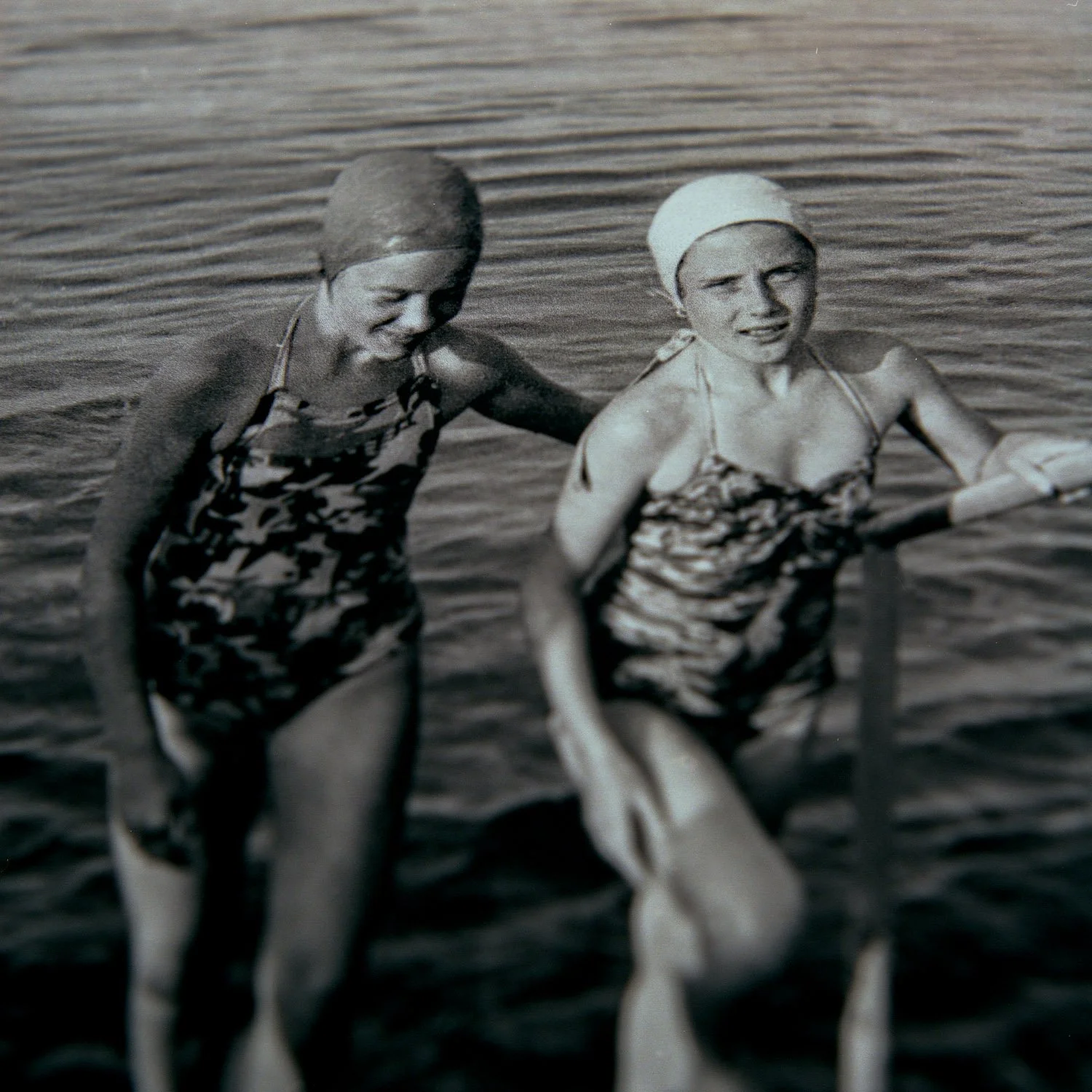
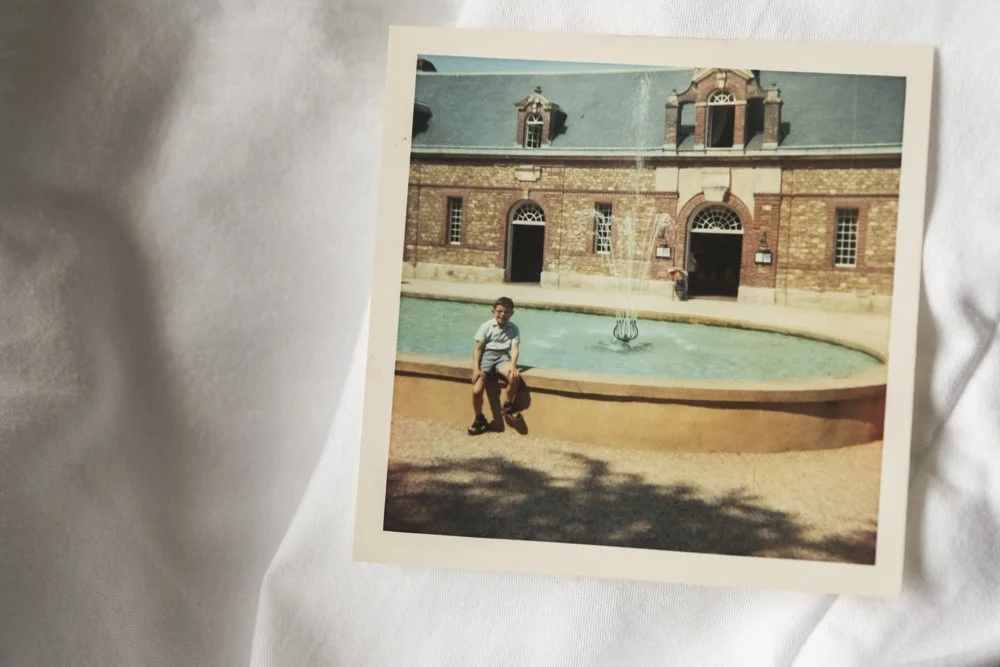
Photos tell stories about people, places, and relationships. They preserve moments and, at the same time, can set things in motion. A single image can bring back a long-forgotten memory, evoke a mood, or spark a conversation about an important chapter in one’s life.
I’m interested in what can be remembered, recounted, and rediscovered through photographs.
Biographical Work with Photographs
For me, biographical work means looking at one’s own life together: at people, relationships, places, experiences, and memories—and at what still holds meaning today. Photography offers a direct and personal way to do this.
Dignity and Life Story
An important influence on my work is Dignity Therapy as developed by Harvey Max Chochinov. The focus is not on the illness, but on the person with their life story, their memories, relationships, and what they wish to leave behind for others.
This approach also shapes my work with photographs:
Who am I—beyond my illness?
What has shaped my life?
What is important to me?
What do I want to pass on?
Photography and Transience
The exploration of memory and transience has been a central theme in my photographic work for many years. In my artistic projects Traces and Ashes—and What Remains of the End, I examine what people leave behind, memory, and the traces that remain. Working with people at the end of their lives takes this exploration in a more direct and personal direction.