PALLIATIVE CARE
Phototherapy at the End of Life
When illness and physical limitations increasingly define one’s life, reflecting on one’s own history can open up a different perspective on oneself.
Who am I—beyond my illness?
What has shaped my life?
What is important to me?
What do I want to pass on?
My Work in the Palliative Care Unit
Since 2020, I have been working as a phototherapist in the palliative care unit at Zollikerberg Hospital. What began as a pilot project has since become an integral part of the therapeutic services offered. I support people in a very special and often challenging life situation. The focus is not on the illness, but on the person—with their own story, relationships, and memories.
Photographs as Companions
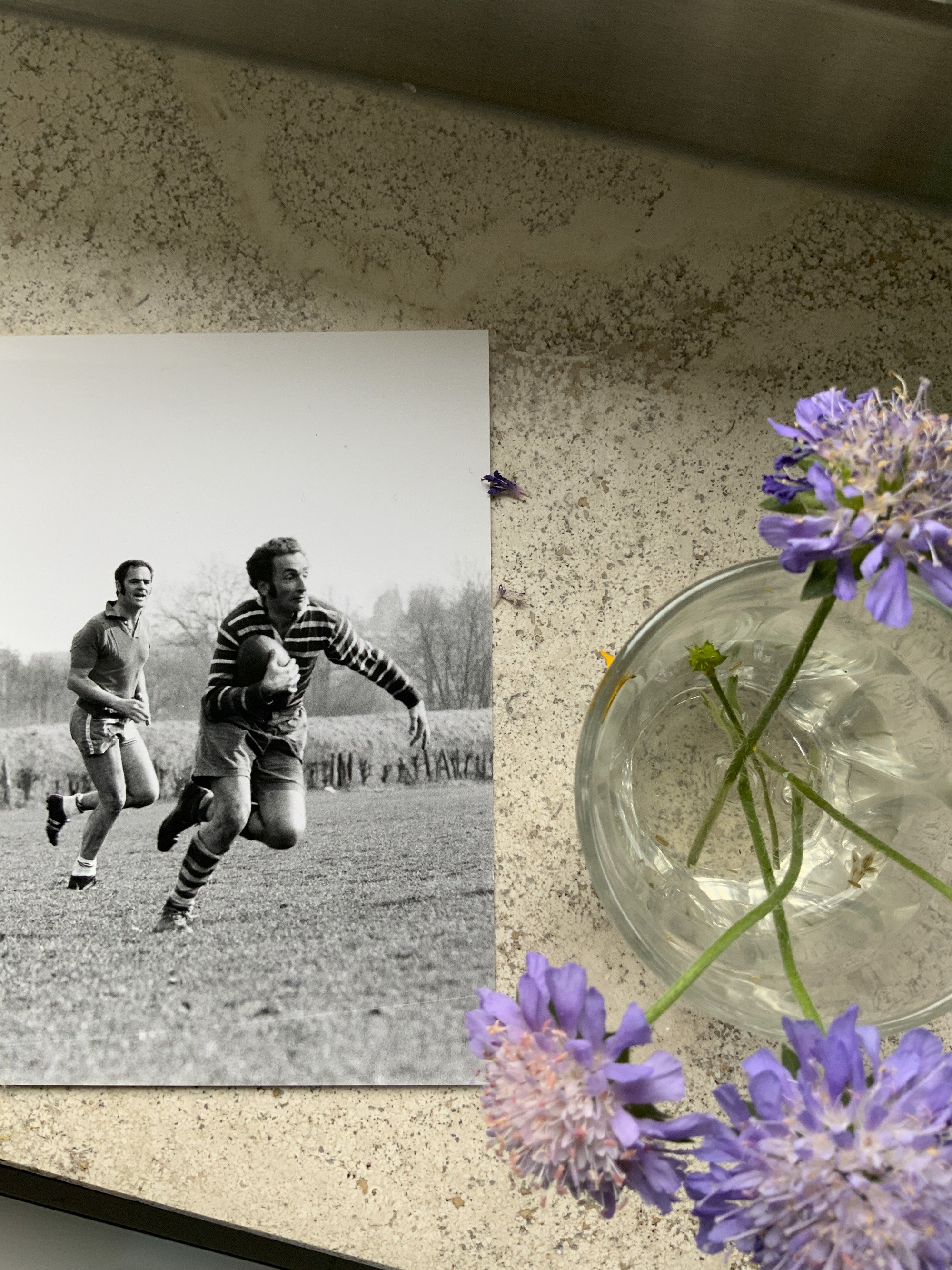
Almost everyone has photographs from their life. They might be in albums, in boxes, on a cell phone, or in a family archive. Together, we look at these pictures. They can evoke memories, bring back things long forgotten, and spark conversations about people, places, and important stages of life.
Sometimes a single picture is enough.
How I Work
These encounters are low-threshold and always tailored to the individual. We look at photographs, share stories, reminisce, create, or take pictures. Sometimes a conversation arises from an old family photo. Sometimes it results in a portrait, a collage, or a small, personal life book. Nothing specific has to come of it. What matters most is the encounter itself and what the images bring to life.
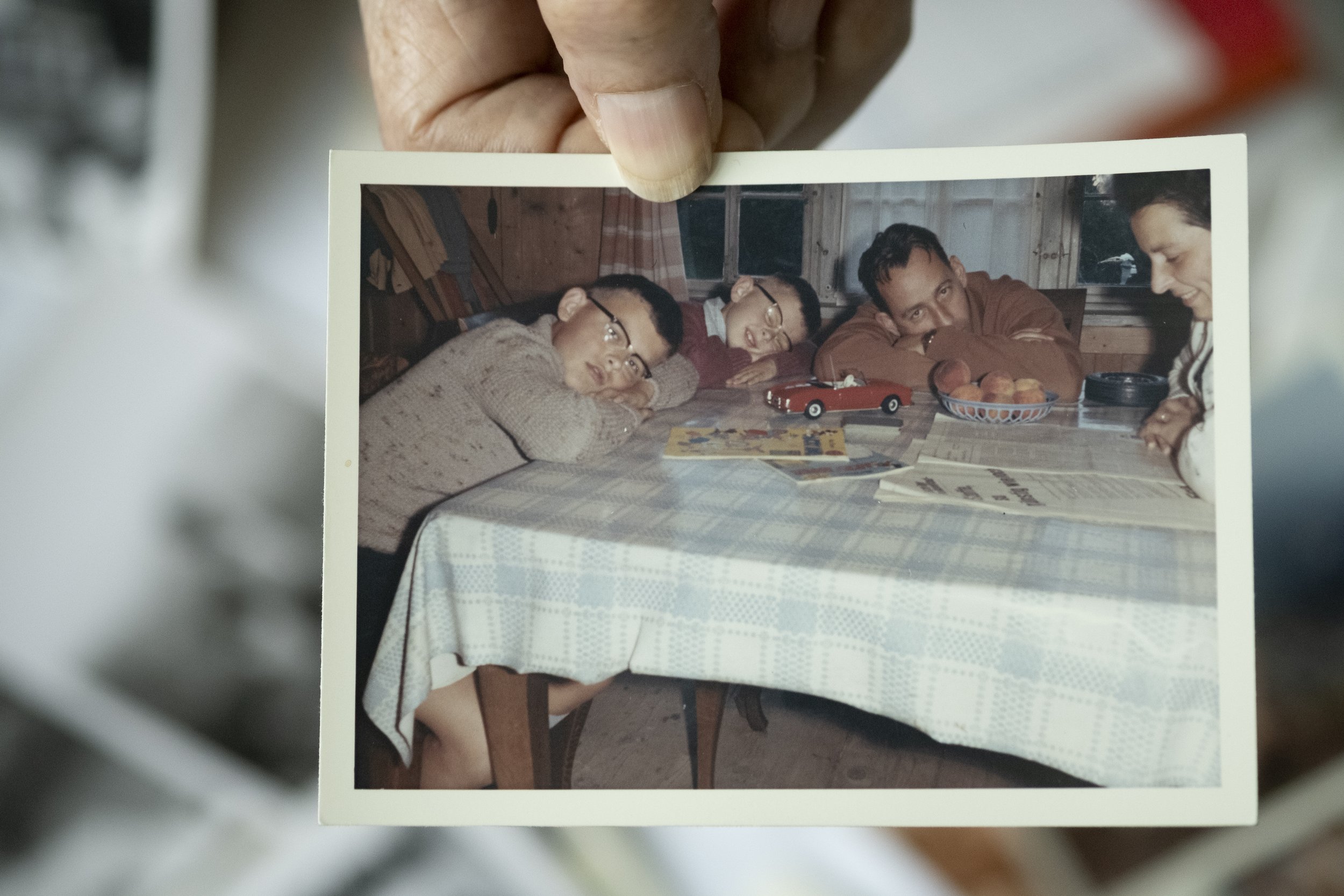
Remembering and Preserving
Personal photographs can reconnect a person with important parts of their life. They tell stories of family and friendships, of past chapters of life, of places, and of relationships. Especially at the end of life, such images can help a person reflect on their own life story once more and bring to light what was valuable in their life. For loved ones, these images can create memories that can be preserved even after death.
Photography and Transience
The exploration of life and death has been a central theme in my photographic work for many years. In my artistic projects *Traces* and *Ashes—and What Remains of the End*, I examine what a person leaves behind—memory, transience, and the traces that remain. My work with people at the end of life is closely linked to this artistic exploration. It extends my exploration of memory and transience in a direct, personal way.
“In times of distress, many patients forget that there were so many positive things in their lives. With my help, we are usually able to bring these memories back to the surface. The material we work with is life itself.”
Tina Ruisinger